
Understanding the basics of gambling A beginner’s guide to getting started
Understanding the basics of gambling A beginner’s guide to getting started
What is Gambling?
Gambling is the act of wagering money or something of value on an event with an uncertain outcome, primarily to win additional money or goods. This practice is centuries old and has evolved into a major form of entertainment in various cultures worldwide. At its core, gambling combines elements of chance and skill, appealing to individuals who enjoy the thrill of taking risks. Additionally, some players seek to enhance their experience by exploring poker online, which adds another dimension to the world of gambling.
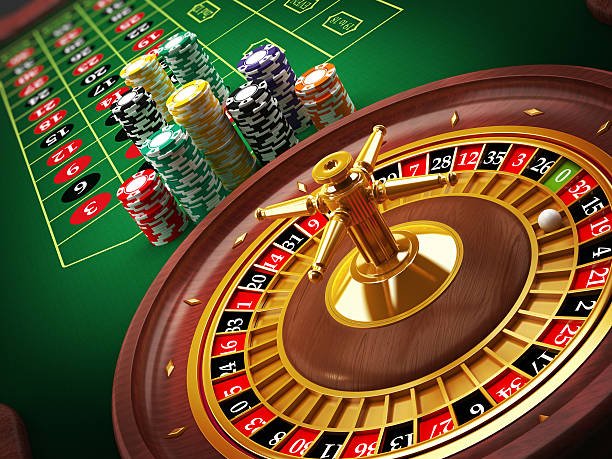
The essence of gambling lies in the unpredictability of results, which makes it both exciting and potentially rewarding. Whether it is a simple coin toss, a game of cards, or betting on sports events, the fundamental goal remains the same: to forecast an outcome and stake something of value based on that prediction.
Different Types of Gambling
Gambling can be categorized into several types, each with its own set of rules and appeal. Casino games, sports betting, and lotteries represent some of the most popular forms. In casinos, players can engage in games such as slots, poker, and blackjack, each requiring varying degrees of skill and strategy. Sports betting allows individuals to wager on the outcome of athletic events, introducing another layer of excitement for sports enthusiasts.
On the other hand, lotteries are largely based on chance and offer players the potential for life-changing jackpots. Understanding these different types of gambling can help beginners identify which forms resonate with their preferences and comfort levels. Each type presents unique challenges and potential rewards, making it essential to explore them before getting started.
Essential Rules and Strategies
Before diving into gambling, it’s crucial to familiarize oneself with the basic rules and strategies for each game type. Every game has its own set of rules that dictate how it is played, the odds of winning, and the payouts. For example, in blackjack, players aim to reach a hand total of 21 without exceeding it, while in poker, the goal is to create the best hand or bluff opponents to win.
Additionally, understanding the odds and house edge is vital for making informed decisions. The house edge refers to the advantage the casino has over players, which varies across different games. Employing effective strategies, such as managing your bankroll wisely and understanding when to walk away, can significantly enhance your gambling experience and improve your chances of success.
The Importance of Responsible Gambling
Responsible gambling is a fundamental aspect that every beginner should prioritize. This concept revolves around recognizing the risks associated with gambling and ensuring that it remains a form of entertainment rather than a financial burden. Setting limits on time and money spent gambling is crucial for maintaining control and preventing potential addiction.
Many casinos and online platforms offer tools and resources for responsible gambling, such as self-exclusion options and support hotlines. It’s essential to be aware of these resources and utilize them when necessary. Remember, gambling should be fun and enjoyable; understanding its risks can help ensure it stays that way.

Find More Resources and Support
For those interested in deepening their understanding of gambling and exploring various games, numerous resources are available. Many websites and forums provide guides, strategies, and community support for beginners. Engaging with these platforms can offer invaluable insights and tips that help new players navigate the gambling landscape more effectively.
Whether you are looking for game tutorials or advice on responsible gambling, taking advantage of these resources can significantly enhance your journey. Remember, knowledge is power in the world of gambling, and being well-informed will ultimately lead to a more enjoyable experience.